
Sleep and Seasonal Changes: How Longer Nights Affect Your Brain Health
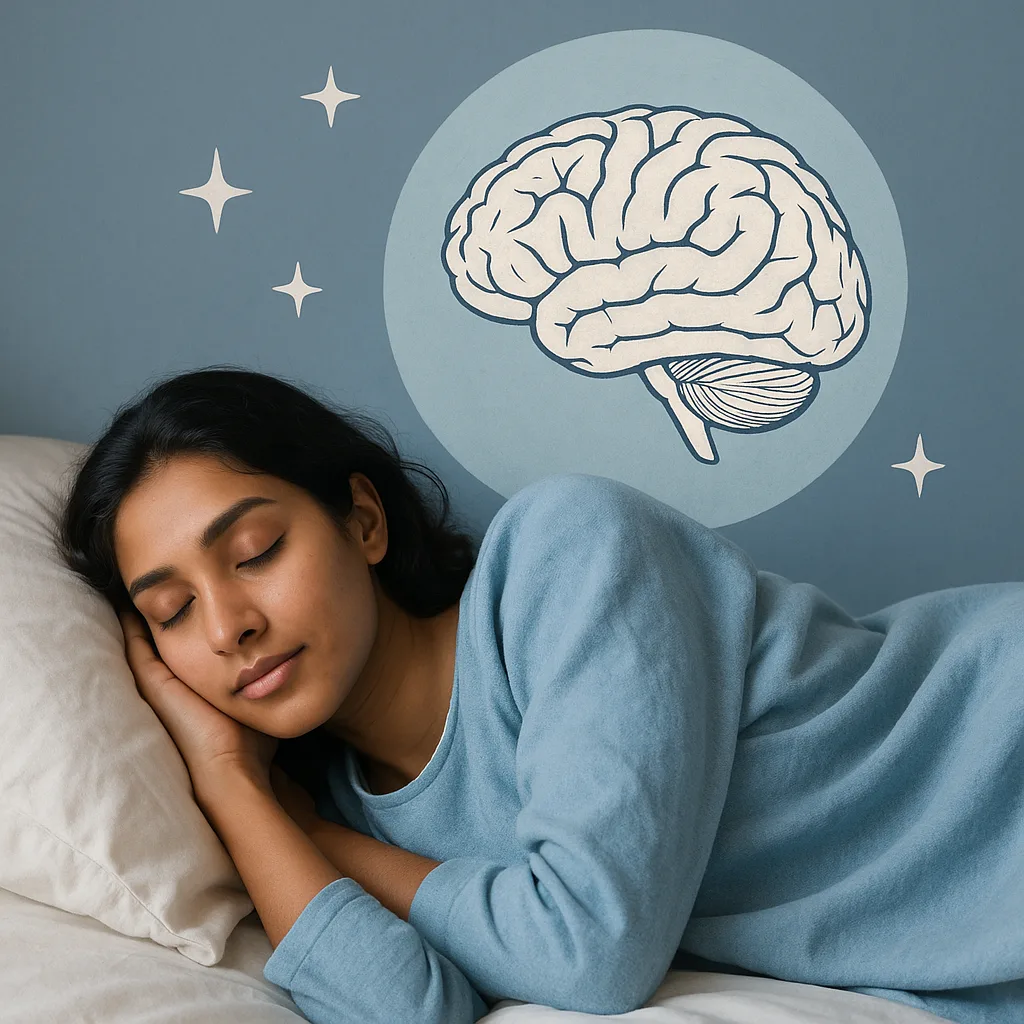
The Night is Dark and Full of Insights
As the days get shorter and the nights stretch out like a cozy blanket, have you ever wondered how these seasonal shifts influence your brain health? The winter solstice brings not just longer nights, but also a plethora of effects on our bodies—and our brains. Understanding these changes can empower you to harness the benefits of this seasonal transformation!
What Happens When Nights Get Longer?
With longer nights come variations in our sleep patterns and circadian rhythms, leading to both positive and negative effects. Let's unpack these layers:
- Melatonin Production: As daylight decreases, our bodies naturally ramp up the production of melatonin, the hormone responsible for regulating sleep. Increased melatonin can help you fall asleep faster but can also lead to morning sluggishness.
- Vitamin D Deficiency: The lack of sunlight during winter months can lead to Vitamin D deficiency, which has been linked to various neurological issues including fatigue, mood swings, and decreased cognitive function.
- Winter Blues: The phenomenon commonly known as Seasonal Affective Disorder (SAD) is particularly prevalent during these dark months. Symptoms can include depression, lack of motivation, and irritability—all detrimental to our brain health.
The Silver Lining: How to Make Longer Nights Work for You
Before you curl up in despair over this season’s dark spell, let’s explore some strategies to enhance your brain health during these longer nights:
- Embrace Routine: Setting a consistent sleep schedule can help regulate your circadian rhythms. Aim for the same sleep and wake times, even on weekends.
- Light Therapy: Exposure to bright, artificial light during the dark hours can trick your body into feeling more alert and can mitigate the effects of SAD. Consider investing in a light therapy box.
- Stay Active: Exercise is beneficial year-round, but it's particularly crucial during the colder months. Regular physical activity can help elevate your mood, combat winter weight gain, and improve your overall cognitive function.
- Meditation and Mindfulness: Engaging in mindfulness practices can help manage stress and anxiety, enhancing both your mental health and your brain’s overall function.
The Neuroscience of Sleep
We know that sleep is essential for brain health, but why exactly does this seasonal change impact us so deeply? During sleep, particularly deep sleep, your brain performs essential housekeeping tasks: clearing out toxins, consolidating memories, and regulating hormones. Quality sleep is your brain's best friend, and when longer nights affect this, your cognitive function may take a hit.
Listen to Your Body
Cues from your body during these longer nights are your best indicators of what it needs. Fatigue? Difficulty concentrating? If you're observing symptoms that disrupt your quality of life, it might be time for a professional consultation.
Your Brain Health Matters!
At NeuroMet Wellness, we are dedicated to ensuring your brain health remains robust, no matter the season. Seasonal changes can affect your mood and sleep, but you don’t have to navigate these challenges alone.
If you're feeling the strain of longer nights or have questions about your sleep patterns, our team is here to help. Whether it's addressing anxiety, sleep issues, or cognitive concerns, you can trust us to guide you toward optimal brain health.
Book a consultation with us today and take the first step toward reclaiming your mental well-being!
Still have questions about your symptoms?
Get a professional diagnosis from Dr. Bhupesh Kumar. Early detection leads to better recovery.
Book ConsultationShare this article: